Your shipment may look ready from the outside. The packages are closed, the labels are attached and the airline booking is confirmed. But when the cargo reaches the airport, the airline checks more than whether the boxes are present.
It checks whether the product, packaging, labels, shipping documents and transport route all meet the applicable requirements. If the shipment contains batteries, chemicals, perfumes, aerosols or other regulated items, even a small inconsistency can stop the cargo from travelling.
This is where many shippers face difficulties. They may have prepared the shipment carefully but may not realise that the airline also checks the exact quantity, package type, hazard classification, route restrictions and physical condition of the cargo.
The result can be repacking, storage, rebooking, missed flights and delivery delays. For shipments supporting aviation, oil and gas, manufacturing, healthcare or industrial projects, even a short delay can affect a much larger operation.
At Delman Shipping, Dubai, we understand that dangerous goods acceptance depends on more than preparing documents. The product, packaging, labels, shipping documents, airline and route must all meet the applicable requirements and align with one another.
The good news is that most problems can be identified before the cargo reaches the airport.

What are dangerous goods?
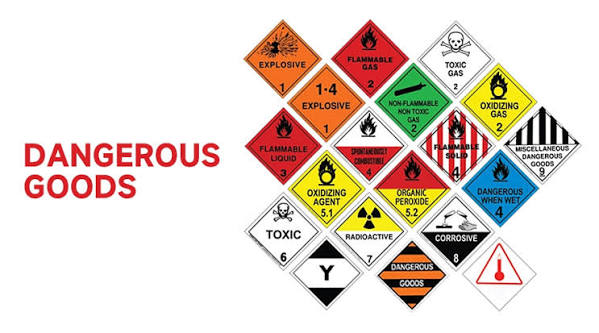
Dangerous goods are products or articles that may create a risk to people, aircraft, property or the environment during transportation.
Some examples are obvious, such as chemicals, fuels, paints and gases. Others may be found in everyday commercial products, including:
- Lithium batteries
- Perfumes and aerosols
- Adhesives
- Refrigerants
- Chemical samples
- Magnetised materials
- Fuel-system components
- Certain electronic equipment
This is why descriptions such as "spares," "samples," "equipment" or "cosmetics" may not be sufficient for air freight. The commercial name of a product does not always show how it must be handled during transportation. Before arranging the shipment, the product must be properly identified and reviewed.
What does the airline check?
Airline and ground-handling teams compare the actual cargo with the information provided by the shipper. They may check:
- What the product is
- How it has been classified
- How it has been packed
- The number and type of packages
- The net and gross quantities
- The labels and handling marks
- The condition of the packages
- The shipping documents
- The selected airline and route
The IATA Dangerous Goods Regulations provide the main framework for transporting dangerous goods by air. Shipments from the UAE may also be subject to GCAA requirements, airline-specific rules and restrictions imposed by transit or destination countries.
A shipment can therefore appear properly prepared but still be unsuitable for a particular airline or route.
Quick reference: what can go wrong?
| Acceptance area | What the airline checks | Common problem |
|---|---|---|
| Product classification | UN number, Proper Shipping Name, hazard class and packing group | The product is classified only by its commercial name |
| Packaging | Packing instruction, package type, quantity and closure | The packaging is unsuitable or not approved |
| Marks and labels | UN mark, hazard labels, handling marks and orientation arrows | Information is missing, incorrect or unreadable |
| Shipping documents | Shipping documents and supporting information | The documents do not match the actual cargo |
| Permissions | Airline, state, transit and destination requirements | Required approval or route permission is missing |
| Physical condition | Package integrity, leakage and closure | The package is damaged, leaking or poorly secured |
Common reasons dangerous goods shipments are rejected
The product has been classified incorrectly
The first step is identifying exactly what the product is and what risk it presents during transport. A product described as "cleaning liquid" may actually be classified as a flammable liquid or corrosive substance. That classification determines the packaging, labels, quantity limits and documents required for air transport.
The shipper must verify the UN or ID number, Proper Shipping Name, hazard class, subsidiary risk and packing group where applicable. The Safety Data Sheet (SDS) is an important source of information — but an SDS is not automatically an approval for air transport. It must be current and reviewed against the applicable regulations.
The shipping documents contain errors
The dangerous goods declaration and other shipping documents must accurately describe the cargo being presented to the airline. Common errors include incorrect product or UN number, wrong Proper Shipping Name, missing technical name, incorrect quantity, wrong packing instruction, incorrect package count, missing aircraft limitation and incomplete supporting information.
The documents do not match the cargo
The information provided to the airline must match the physical shipment. Problems may arise when the documents state two packages but three arrive, the declared quantity differs from the actual quantity, the package type is incorrect, or the air waybill and invoice contain inconsistent details. The final document check should take place after packing is completed.
The wrong packing instruction has been used
A packing instruction explains how a particular dangerous goods product must be prepared for air transport. The correct method may depend on the product, hazard class, packing group, quantity, package type, aircraft limitation, airline and route. A method accepted for an earlier shipment cannot automatically be reused.
The packaging is unsuitable
Some dangerous goods require UN specification packaging that has passed prescribed performance tests. However, a UN mark on an outer box does not mean that it is suitable for every product. The inner containers, closure system, total weight and complete packing arrangement must also be compatible.
The package is damaged or leaking
Packages may be rejected if they are wet or stained, dented or bulging, torn, leaking, poorly closed or insecurely packed. The packaging must remain capable of containing the product during normal air-transport conditions.
Hazard labels are missing or incorrect
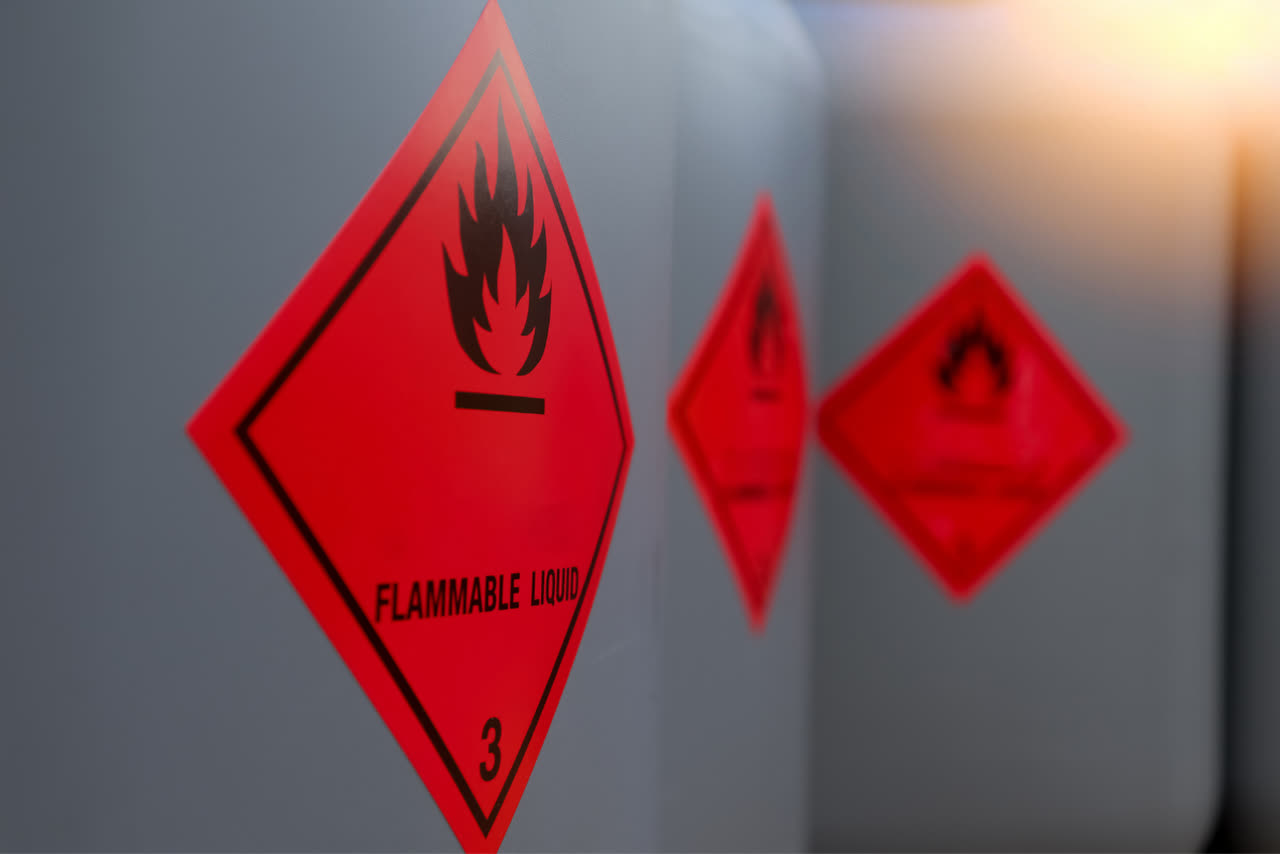
A shipment may be rejected because the wrong hazard label has been used, a subsidiary-risk label is missing, the Cargo Aircraft Only label is missing, a label is damaged or unreadable, or old or conflicting labels remain on the package.
Package markings are incomplete or unreadable
Depending on the shipment, required markings may include the UN number, Proper Shipping Name, shipper and consignee details, net quantity, package specification mark and handling information. Small text, poor printing or markings hidden by straps can cause failure at inspection.
The overpack has been prepared incorrectly
An overpack groups one or more packages together. If the labels and markings on the inner packages are not visible, they may need to be repeated on the outside of the overpack. An overpack cannot correct an incorrectly packed or labelled package.
Airline or route restrictions were overlooked
Not every airline accepts every type of dangerous goods. Restrictions may apply based on origin, destination, transit airport or aircraft type — particularly for lithium batteries, chemicals, temperature-sensitive materials and Cargo Aircraft Only shipments.
Required approvals or supporting documents are missing
Depending on the product, additional approval may include a current SDS, battery test summary, packaging certificate, classification evidence, competent-authority approval, import permission, airline confirmation or emergency-response information. Submitting a booking request does not mean the shipment has been accepted.
Dangerous goods were undeclared or hidden inside general cargo
The most serious error
Dangerous goods must never be concealed under a general description to avoid additional documentation or handling requirements. If there is any doubt about a product, provide the SDS, product description, quantity and intended route for review before booking.
Dangerous goods shipper checklist
Before handing over a dangerous goods shipment, confirm that:
Product details
- The product name and intended use are clear
- A current SDS is available
- The product contents and quantity are known
- Any batteries, chemicals, aerosols, perfumes or other dangerous items have been identified
Packaging
- The product has been correctly classified
- The correct packaging has been selected
- The inner and outer packaging are suitable
- The packages are properly closed and secured
- Required cushioning or absorbent material has been used
Labels and markings
- The correct hazard labels are attached
- The UN number and product name are shown where required
- The package markings are clear and easy to read
- No labels are covered or damaged
- Old or incorrect labels have been removed
- Overpack markings have been added where necessary
Documents and airline acceptance
- The documents match the actual shipment
- The selected airline accepts the type and quantity of dangerous goods
- Any aircraft restrictions have been checked
- Origin, transit and destination requirements have been reviewed
- Required approvals have been obtained
- The cargo has been physically checked before it is delivered to the airport
If anything is unclear, share the product details, SDS, quantity, packaging information, origin and destination with your freight forwarder before sending the cargo to the airport.
How Delman helps reduce rejection risk
Dangerous goods compliance begins before airport acceptance. An early review gives the shipper time to identify and correct problems before they result in delays and additional costs.
Delman Shipping, Dubai, can assist with dangerous goods classification review, packaging and repacking coordination, marking and labelling checks, shipping document verification, air waybill review, cargo inspection, airline and route coordination, and air freight movement planning.
To arrange a review, provide the SDS, product description, quantity, packaging details, origin, destination and planned shipment date.
Dangerous goods logistics is not only about moving cargo from one airport to another. It is about ensuring that the shipment is correctly identified, safely prepared and acceptable for the selected airline and route. A short review before cargo delivery can help prevent airport rejection, missed uplift, additional handling costs and avoidable delays.
Dangerous goods acceptance remains subject to the current IATA Dangerous Goods Regulations, GCAA requirements, airline conditions and applicable origin, transit and destination regulations.

Amal Vidhyaharan
Dangerous goods and compliance specialist at Delman Shipping LLC, Dubai. Our DG services →